
Looking for a child development clinic in Balasore? Our autism therapy programs are designed for faster and effective growth in children. We focus on improving speech, behavior, and learning abilities through structured and personalized sessions. Early diagnosis and consistent support help children achieve better developmental outcomes. Parents receive complete guidance to continue therapy practices at home. Give your child the right support for a brighter future.
 For consultation or to share patient details, connect on WhatsApp at 9437164832.
Early Intervention in Autism: Why Timely Support Makes a Big Difference
Early intervention is widely considered one of the most important factors in supporting children with autism to reach their full potential. For many parents, the journey begins with uncertainty—small concerns about delayed speech, limited eye contact, or unusual behavior gradually lead to deeper questions about development. At this stage, one of the most critical decisions a parent can make is whether to wait or to act. Research and real-life experience consistently show that acting early can create meaningful and lasting improvements in a child’s communication, behavior, and overall development. Autism, or Autism Spectrum Disorder (ASD), is not something that should be approached with delay or hesitation; instead, timely support can make a significant difference in shaping a child’s future.
Autism affects how a child learns, communicates, and interacts with the world. These differences often become noticeable in the first few years of life, although the exact signs may vary from one child to another. Some children may show delays in speech, while others may have difficulty responding to social cues or adapting to changes in routine. Because the brain is highly adaptable during early childhood, this period provides a unique opportunity to introduce supportive strategies that can improve development. Early intervention takes advantage of this adaptability, helping the child build essential skills during a time when learning is most effective.
One of the key benefits of early intervention is the improvement of communication skills. Communication challenges are a core aspect of autism, and addressing them early can reduce frustration and improve interaction. Through targeted strategies, children can learn to express their needs, understand language, and engage with others. This may involve the use of simple words, gestures, or visual aids, depending on the child’s abilities. As communication improves, children often become more confident and less likely to rely on challenging behaviors to express themselves.
Behavioral development is another area where early intervention has a strong impact. Children with autism may exhibit behaviors such as tantrums, repetitive actions, or resistance to change. These behaviors are often a response to difficulty in understanding or coping with their environment. Early intervention helps identify the underlying causes of these behaviors and introduces strategies to manage them effectively. By teaching alternative ways to communicate and respond, children can develop better self-control and adaptability. Over time, this leads to a more positive and manageable daily experience for both the child and the family.
Social skills are also significantly influenced by early intervention. Many children with autism find social interaction challenging, as they may struggle to understand emotions, facial expressions, or social cues. Early support provides structured opportunities to learn these skills in a gradual and supportive manner. For example, children can be guided in making eye contact, taking turns, and engaging in simple interactions. These skills are essential for building relationships and participating in group activities, whether at school or in the community.
Learning and cognitive development benefit greatly from early support as well. Children with autism often have unique learning styles, which may not align with traditional teaching methods. Early intervention introduces personalized approaches that match the child’s strengths and needs. Visual aids, structured routines, and step-by-step instructions are commonly used to make learning more accessible. By building a strong foundation in early years, children are better prepared to adapt to formal education and continue developing their skills.
Another important aspect of early intervention is the involvement of parents and caregivers. Parents play a central role in their child’s development, and early intervention programs often include guidance and training for families. This empowers parents to apply effective strategies in daily life, creating a consistent and supportive environment. Simple activities such as talking, playing, and practicing routines become opportunities for learning. When parents are actively involved, the impact of intervention is significantly enhanced, as the child receives continuous support beyond structured sessions.
Emotional development is closely linked to early intervention. Children with autism may experience anxiety, frustration, or difficulty regulating their emotions. A supportive and understanding environment helps them feel safe and accepted, which is essential for growth. Early intervention focuses on building trust, encouraging positive interactions, and reducing stress. As children gain confidence in their abilities, they become more willing to explore, learn, and connect with others.
It is important to understand that early intervention does not mean forcing a child to change who they are. Instead, it is about supporting their development in a way that respects their individuality. The goal is to help the child gain skills that improve their quality of life, while also recognizing and nurturing their unique strengths. Many children with autism have exceptional abilities in areas such as memory, creativity, or problem-solving. Early support helps bring out these strengths and integrate them into learning and daily activities.
Delaying intervention can make challenges more difficult to address over time. As children grow older, habits and behaviors become more established, and it may take longer to introduce new skills. Early action, on the other hand, allows for gradual and consistent progress. Even small improvements in communication, behavior, or social interaction can have a significant impact on the child’s overall development. These early gains often lead to greater independence and confidence in later years.
Parents should not wait for a formal diagnosis to begin supporting their child. If there are concerns about development, simple steps can be taken at home, such as maintaining a routine, using clear communication, and engaging in interactive activities. Seeking professional guidance at an early stage can provide clarity and direction, helping parents choose the most appropriate strategies for their child. Early evaluation and support do not carry any risk; rather, they open the door to better outcomes.
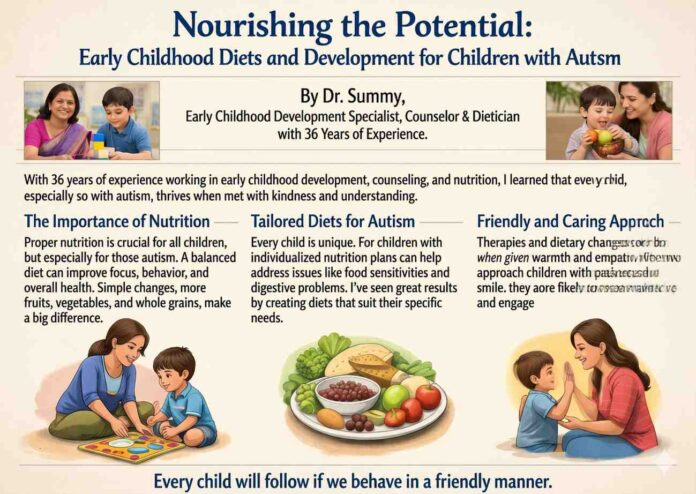
Lifestyle factors such as nutrition, sleep, and physical activity also contribute to the success of early intervention. A balanced diet supports brain development, while proper sleep improves attention and behavior. Physical activity helps reduce stress and enhances overall well-being. These elements work together to create a strong foundation for learning and growth.

Parents should also take care of their own well-being, as supporting a child with autism can be demanding. Staying informed, seeking support, and maintaining a positive outlook can make a significant difference in the journey. Building a network of support, whether through professionals, family, or community resources, provides reassurance and guidance.
If parents have concerns about their child’s development or want to explore early intervention options, taking the first step is crucial. Professional guidance can help identify the child’s needs and create a personalized plan for support. For guidance or to share patient details, you can connect via WhatsApp at 9437164832.
In conclusion, early intervention in autism is not just beneficial—it is transformative. By addressing communication, behavior, social skills, and learning at an early stage, children are given the tools they need to grow and succeed. The earlier the support begins, the greater the potential for positive outcomes. With patience, consistency, and a supportive environment, children with autism can develop confidence, independence, and meaningful connections. Early action today can shape a brighter and more fulfilling future for tomorrow.