
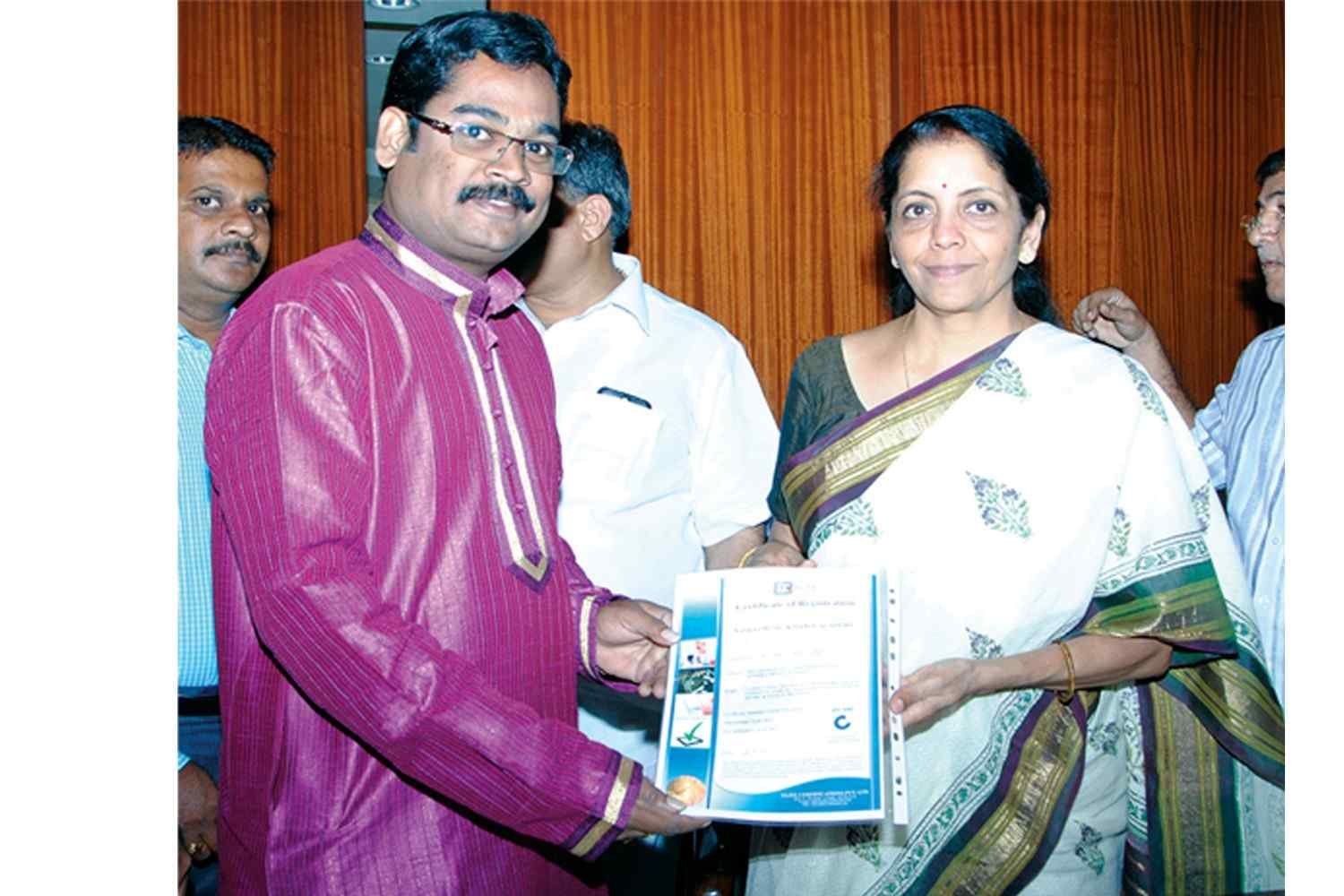
Indian classical dance traditions have long depended on the strength of their performers, teachers and cultural institutions. But for artists to reach wider audiences and for younger practitioners to gain professional exposure, dedicated performance platforms are equally important.
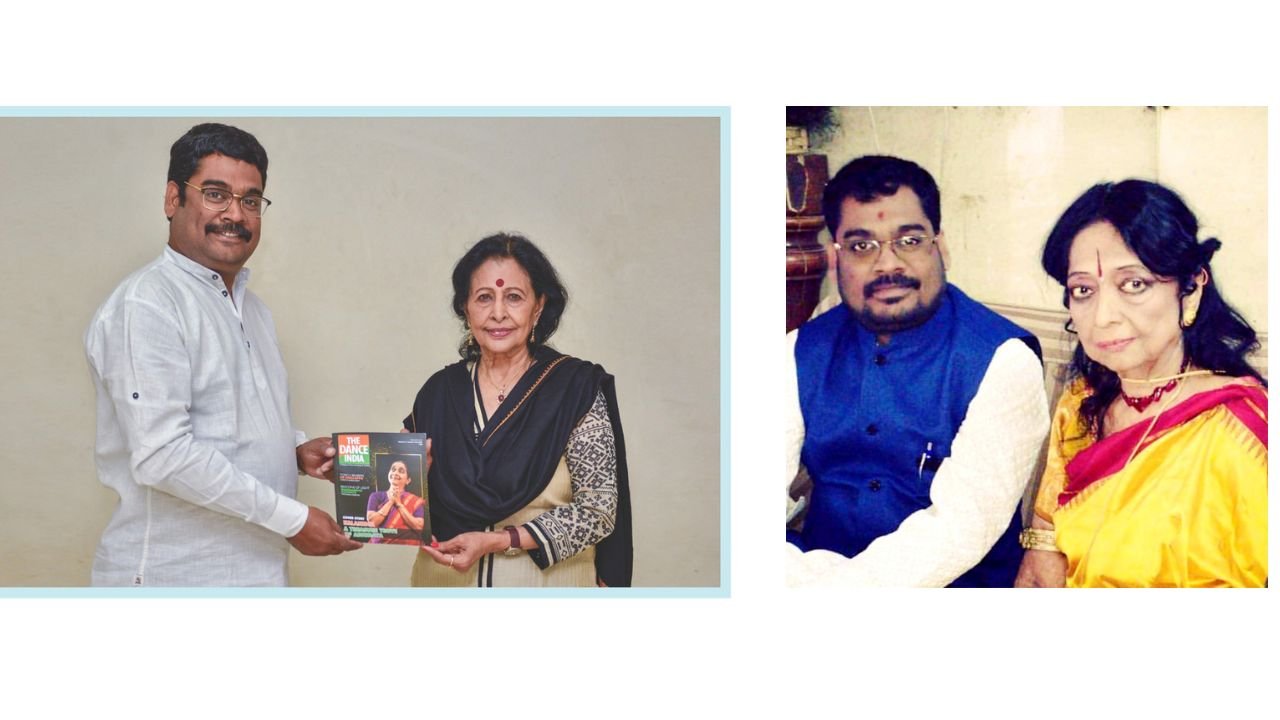
One of the major cultural initiatives associated with Vikram Kumar B R, popularly known as Bathina Vikram Goud, is Vysakhi Nrithyotsav, an All-India Classical Dance Festival established in 2008.
The festival has become an important part of Vikram Kumar’s wider effort to create opportunities for Indian classical dancers, encourage emerging talent and bring diverse dance traditions before audiences.
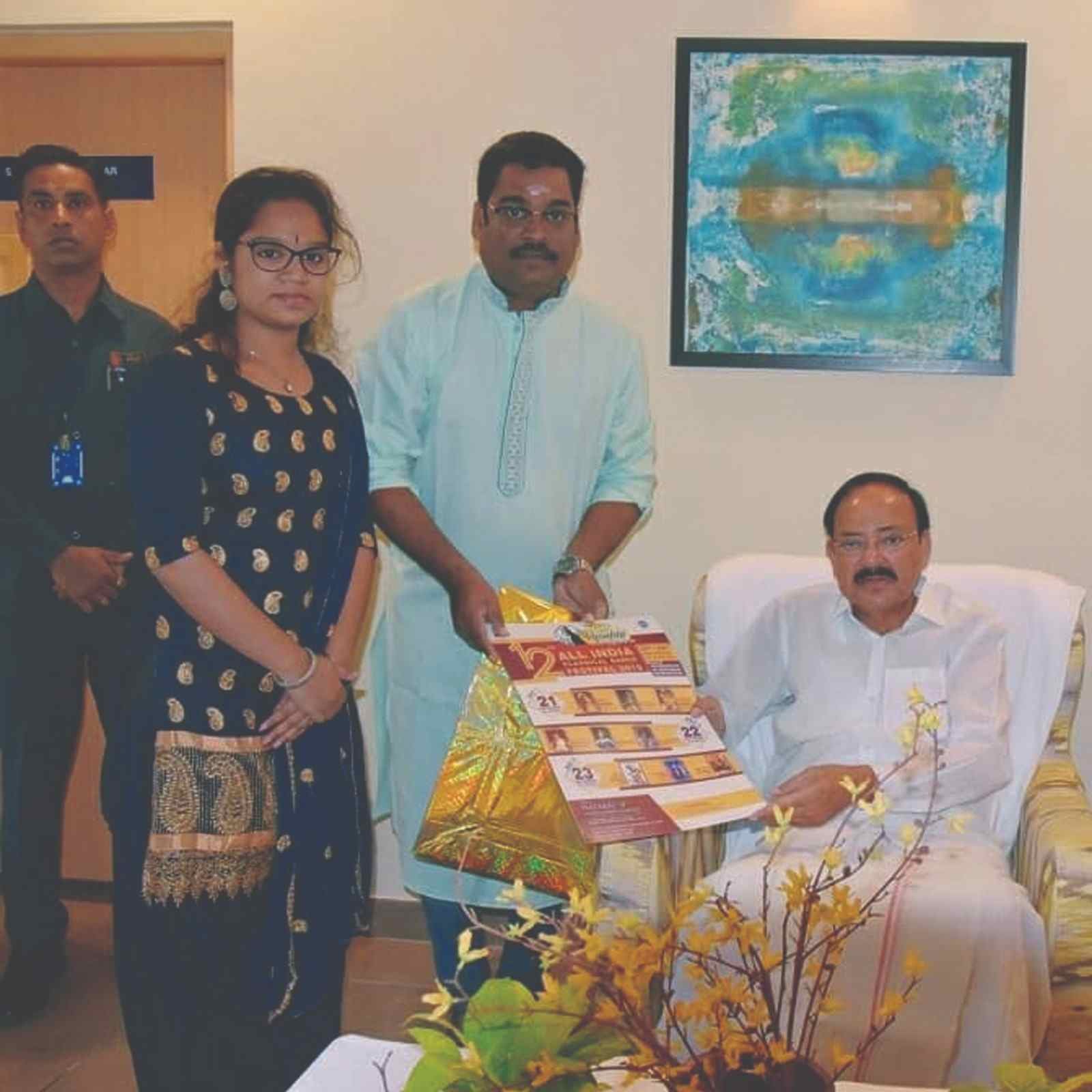
Creating a National Stage
The idea behind Vysakhi Nrithyotsav was to create a platform where classical dancers from different parts of India could come together.
Indian classical dance is not represented by a single style. Forms such as Kuchipudi, Bharatanatyam, Kathak, Odissi, Manipuri, Mohiniattam and Andhra Natyam each have their own histories, techniques and performance traditions.
A national festival provides an opportunity for these traditions to share the same stage.
For audiences, this creates an opportunity to experience India’s artistic diversity within a single cultural programme. For performers, it provides a platform to present their work before audiences beyond their regular circuits.
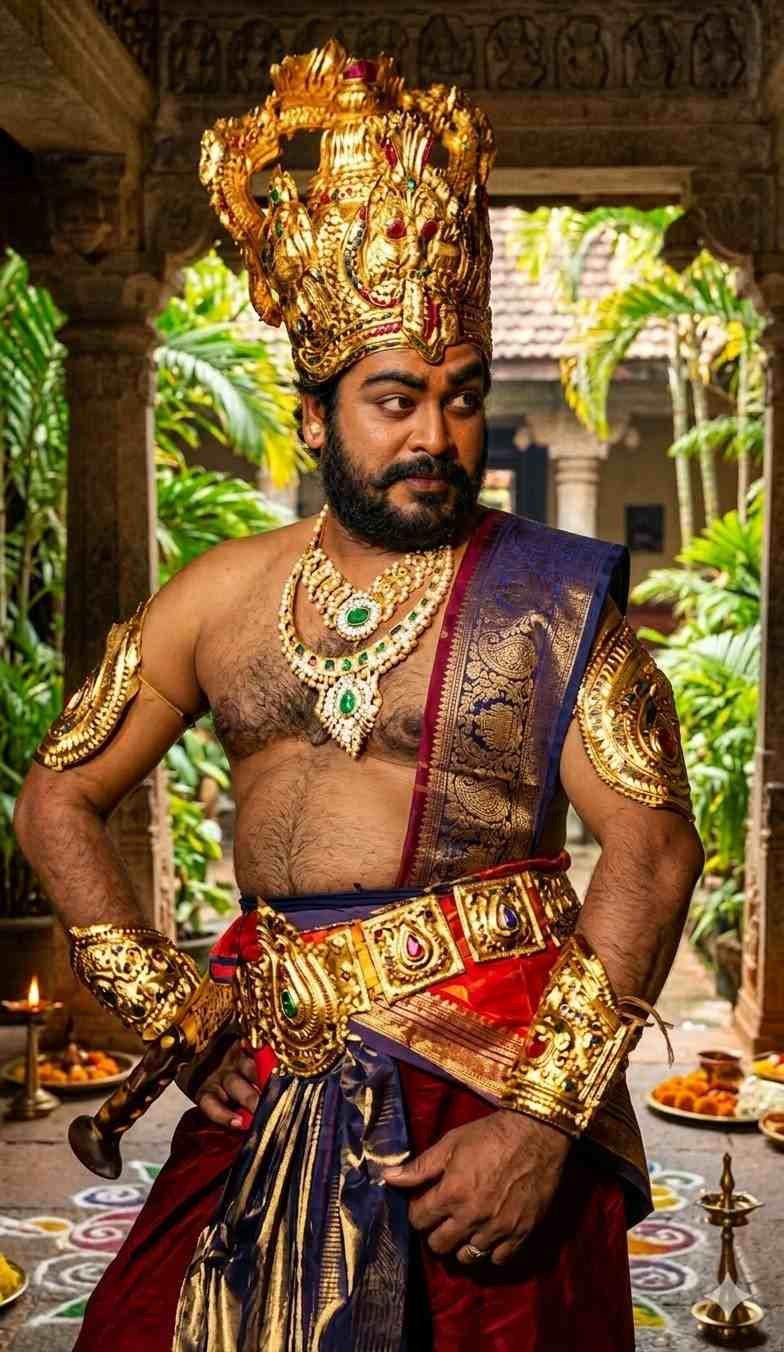
The Role of Nataraj Music and Dance Academy
Vysakhi Nrithyotsav is closely associated with the Nataraj Music and Dance Academy (NMDA), founded by Vikram Kumar in 2000.
The academy’s broader activities include training in Kuchipudi, Indian folk traditions, Indian classical music and instrumental music, along with workshops, seminars, competitions and cultural events.
The festival model extends this institutional work into the public performance arena.
Through the festival, NMDA has been able to connect its cultural education activities with professional performances by established and emerging artistes.
A Platform for Different Traditions
One of the distinguishing features of Vysakhi Nrithyotsav has been its emphasis on presenting multiple Indian dance forms.
Earlier editions have featured styles including Kuchipudi, Bharatanatyam, Manipuri, Kathak, Andhra Natyam, Mohiniattam and Odissi.
Such programming allows audiences to compare the distinctive artistic languages of India’s classical traditions.
At the same time, it encourages dancers to observe other forms and understand the wider cultural environment in which Indian classical dance exists.
Bringing Established Artists and Emerging Talent Together
A festival becomes more meaningful when it creates interaction between generations.
Vysakhi Nrithyotsav has provided opportunities for established artistes as well as local and emerging performers.
The participation of experienced performers gives young dancers the opportunity to observe mature stagecraft and artistic interpretation.
For emerging artistes, performing alongside recognised practitioners can also provide valuable professional experience.
The festival therefore serves not only as a presentation platform but also as an informal learning environment.
Supporting the Next Generation
Young talent has remained an important part of Vikram Kumar’s cultural activities.
His wider festival network includes initiatives specifically designed to support emerging dancers, including Sathyabhama Yuva Nrithyotsav.
Vysakhi Nrithyotsav contributes to the same larger ecosystem by giving younger practitioners opportunities to appear before audiences.
Such opportunities are important because classical dance requires years of training, but technical training alone does not create a complete performer.
Artists also need stage experience, confidence, audience interaction and exposure to different performance environments.
The 2011 Edition
The development of the festival can be seen in its early editions.
The 2011 Vysakhi Nrithyotsav, described as the fourth edition, featured several major Indian classical dance traditions and included established artists as well as local talent.
The programme was organised by Nataraj Music and Dance Academy in collaboration with the Department of Dance, Andhra University.
Its programming demonstrated the festival’s national orientation by presenting multiple styles rather than concentrating on a single dance tradition.
A Meeting Point for Artistic Exchange
Classical dance festivals can function as meeting points for artists.
A dancer specialising in one tradition can encounter performers trained in another. Such interactions may encourage discussion about technique, music, repertoire and pedagogy.
The audience also benefits.
Instead of viewing Indian classical dance as a single cultural category, spectators can understand that it contains numerous distinctive traditions.
Vysakhi Nrithyotsav has contributed to this wider cultural awareness.
The Festival as Cultural Education
A successful classical dance festival can educate audiences without resembling a classroom.
When different styles are presented consecutively, audiences naturally begin to recognise differences in movement vocabulary, rhythm, costumes, musical structures and storytelling.
This can make classical dance more accessible to people who may have had limited exposure to it.
For Vikram Kumar, audience development is an important part of preserving traditional arts.
The more people understand and appreciate classical dance, the stronger the cultural environment supporting its practitioners can become.
Building National Visibility
The national character of Vysakhi Nrithyotsav is also significant for artists seeking wider recognition.
Performers often develop strong regional identities, but national platforms allow their work to reach audiences and artistic communities from other parts of the country.
Such exposure can create new professional connections and encourage cultural exchange.
For an institution like NMDA, organising an all-India festival also requires coordination with artists, teachers, cultural organisations and supporting institutions.
Recognition for Artistic Excellence
Over the years, Vysakhi Nrithyotsav has featured respected names from India’s classical dance community.
An edition of the festival in 2018, for example, featured distinguished practitioners including Padma Bhushan Dr. Saroja Vaidyanathan, Chhau exponent Dr. Shashadhar Acharya, Odissi exponent Dona Ganguly and Kuchipudi exponent Dr. Chinta Ravi Bala Krishna, among others.
The participation of recognised artists has helped reinforce the festival’s position as a platform for serious classical dance presentation.
Linking Heritage With Contemporary Audiences
Traditional arts face the continuing challenge of remaining relevant to changing audiences.
Vysakhi Nrithyotsav addresses this challenge by creating regular opportunities for classical dance to be experienced in a public cultural setting.
The objective is not to change the identity of the traditions but to provide contemporary audiences with opportunities to encounter them.
This approach reflects Vikram Kumar’s broader philosophy that preservation should mean keeping traditions active rather than treating them solely as historical artefacts.
Documentation Through Festivals
Every festival also creates a cultural record.
Programmes, photographs, artist profiles, reviews and recordings can become valuable sources for future researchers.
Vikram Kumar’s interest in cultural documentation and journalism complements this aspect of festival organisation.
A well-documented festival can preserve information about which artists performed, which traditions were represented and how classical dance was presented during a particular period.
Creating a Continuing Cultural Ecosystem
Vysakhi Nrithyotsav is one component of a larger network of initiatives associated with Vikram Kumar.
Other festivals have focused on international cultural exchange, youth development, male classical dancers, multi-city access and monthly performances.
Together, these programmes create multiple opportunities for artists at different stages of their careers.
This is consistent with Vikram Kumar’s belief that classical arts require an ecosystem rather than isolated events.
The Broader Mission
For Vikram Kumar B R, the purpose of organising festivals extends beyond filling a stage.
A festival can provide employment and exposure for artists, education for audiences, mentorship for young practitioners and visibility for traditions.
It can also encourage institutions to collaborate and create stronger cultural networks.
Vysakhi Nrithyotsav reflects this approach.
Since its establishment in 2008, the festival has served as one of the important platforms through which NMDA has promoted Indian classical dance.
Looking Ahead
The future of Indian classical arts depends partly on the availability of strong platforms where artists can continue to perform and audiences can continue to engage.
National festivals can play a central role in this process.
They bring together established masters, young performers, cultural organisations and audiences within a shared environment.
For Vikram Kumar B R, Vysakhi Nrithyotsav represents this philosophy in practice.
It is not simply a festival on the annual cultural calendar. It is part of a longer institutional effort to create visibility for classical dance, encourage young talent and strengthen connections between India’s diverse artistic traditions.
By bringing different dance forms and generations together, Vysakhi Nrithyotsav continues the larger mission associated with Vikram Kumar B R: keeping Indian classical arts visible, respected, accessible and actively practised for the generations that follow.